
Understanding the psychology behind gambling choices in casinos
The Role of Emotion in Gambling Decisions
Emotion plays a critical role in gambling behavior, often influencing choices more than logic or rational thinking. When players enter a casino, they are often in a heightened emotional state, driven by excitement or the thrill of risk. This emotional engagement can cloud judgment, leading individuals to make impulsive bets or chase losses, hoping for that elusive win. The adrenaline rush associated with gambling can create a feedback loop, where the excitement fuels further play, regardless of previous outcomes. Exploring the best gambling sites can also provide insights into how different platforms cater to these emotional experiences.
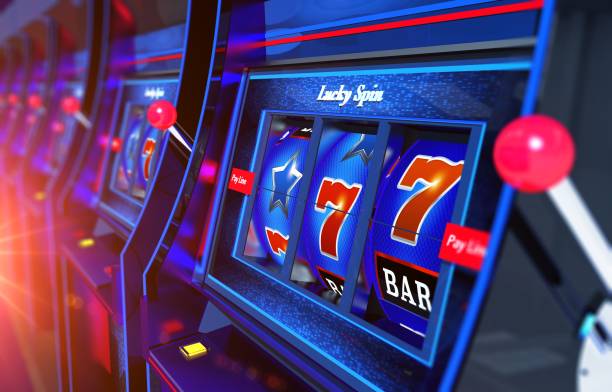
The psychology of emotion extends to how gamblers perceive wins and losses. Positive emotions can lead to overestimating one’s chances of winning, while negative emotions can result in riskier behaviors as players attempt to recover lost funds. Understanding this emotional dynamic is essential for both gamblers and casino operators, as it can inform strategies to promote responsible gaming.
The Influence of Cognitive Biases
Cognitive biases significantly affect how gamblers process information and make decisions. One of the most common biases is the “gambler’s fallacy,” where individuals believe that past outcomes will influence future results. For instance, a player might think that if a slot machine hasn’t paid out in a while, it is “due” for a win. This misconception can lead to prolonged gambling sessions and increased spending, as the player holds onto the false hope of imminent success.
Another prevalent bias is the illusion of control, where gamblers overestimate their ability to influence outcomes. This is particularly evident in games that are purely based on chance, such as roulette or slot machines. Recognizing these cognitive biases is crucial for understanding gambling behavior, as they can perpetuate gambling activities even in the face of negative consequences.
The Impact of Environment and Social Factors
The environment of a casino, from its design to its ambiance, significantly influences gambling choices. Casinos are strategically designed to create an immersive experience, with bright lights, captivating sounds, and a lack of clocks or windows. This sensory overload can lead to disorientation, making it easier for players to lose track of time and money spent. The layout often encourages players to stay longer, increasing their chances of continued gambling.
Social factors also play a vital role in gambling choices. The presence of others, whether friends or strangers, can amplify the excitement and risk-taking behavior. Social validation can lead individuals to take larger risks, as they may feel pressured to conform to the group dynamic. Understanding these social influences is essential for grasping why individuals make certain choices within the casino environment.
Myths and Misconceptions about Gambling
There are numerous myths surrounding gambling that can distort players’ perceptions and decisions. A prevalent myth is that skill-based games, such as poker, guarantee a higher chance of winning. While skill does play a role, luck remains a significant factor, and even the best players can experience losses. This misconception can lead novice players to overestimate their abilities and take unnecessary risks.
Another common myth is that casinos use “hot” or “cold” machines to manipulate payouts. In reality, all slot machines are governed by random number generators, ensuring that outcomes are purely based on chance. Such myths not only mislead players but can also contribute to irresponsible gambling behavior, making it imperative to educate individuals about the realities of casino games.

Conclusion and Resources
Understanding the psychology behind gambling choices in casinos offers valuable insights for both players and operators. By recognizing the emotional, cognitive, and environmental factors that influence decision-making, individuals can make more informed choices and develop healthier gambling habits. This understanding can also enhance the industry’s approach to promoting responsible gaming.
For those interested in further exploring the complexities of gambling psychology, our website provides a wealth of information, including articles, expert insights, and community discussions. Join us in fostering a more informed and engaged gambling community dedicated to understanding and improving the gaming experience.